
From Concept to Market Success: Why End-to-End Engineering Services Matter More Than Ever
Innovation is moving faster than ever. Companies face pressure to create smarter products, integrate new technologies, and launch solutions in shorter timeframes. Meanwhile, products are growing increasingly complex, bringing together electronics, software, connectivity, automation, and user-friendly interfaces into one solution.
From Concept to Market Success: Why End-to-End Engineering Services Matter More Than Ever
Innovation is moving faster than ever. Companies face pressure to create smarter products, integrate new technologies, and launch solutions in shorter timeframes. Meanwhile, products are growing increasingly complex, bringing together electronics, software, connectivity, automation, and user-friendly interfaces into one solution.
For many manufacturers and technology companies, the challenge isn't just coming up with a great idea. It's about turning that idea into a successful product while managing risks, costs, and timelines. This is why end-to-end engineering services are becoming a strategic advantage across industries.
The Shift Toward Full-Lifecycle Engineering Support
Traditionally, companies worked with several suppliers throughout the product development process. One partner managed hardware design, another developed software, while separate teams oversaw prototyping and production support.
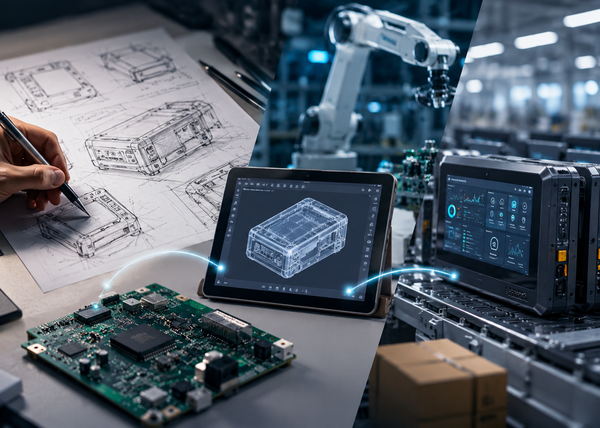
Today, businesses are looking for integrated engineering services that cover every development phase from the initial specification meeting to long-term product maintenance. This method simplifies project management, improves communication, lowers development risks, and speeds up time-to-market.
Starting with the Right Foundation
Every successful product starts with understanding what needs to be built and why. Engineering consulting and specification services assist businesses in defining technical requirements, identifying challenges, evaluating feasibility, and setting a clear development roadmap before investing significant resources. In a time when development mistakes can lead to months of delays and high costs, early planning is crucial. Organizations that invest in thorough specification and consulting often enjoy faster development cycles and smoother project execution.
Hardware Development for a Connected World
Modern products need hardware that does more than just function. They must communicate, process data, support connectivity, and remain dependable for years.
Engineering teams today are creating advanced solutions for:
- Industrial automation systems
- Embedded electronics
- Display technologies
- Medical devices
- Smart industrial equipment
- IoT-enabled products
As Industry 4.0 keeps growing, businesses want hardware platforms that are scalable, energy-efficient, and ready for future tech developments.
Software Is Driving Product Innovation
Software has become one of the most essential parts of modern electronic products. Whether it's embedded firmware, device management software, industrial applications, or smart user interfaces, software influences how well products perform in real-world situations. Current trends like artificial intelligence, predictive maintenance, cloud integration, and remote diagnostics are making solid software engineering increasingly important. Companies are no longer asking if software matters they are asking how quickly they can add smarter software capabilities to their products.
Prototyping Speeds Up Innovation
Bringing a new product to market without proper testing is a costly risk. Rapid prototyping allows businesses to validate designs, assess performance, and gather valuable feedback before full-scale production begins. This development phase helps teams:
- Detect issues early
- Improve product quality
- Validate functionality
- Lower redesign costs
- Speed up launch timelines
As competition intensifies across industries, the ability to prototype quickly has become a significant advantage.
Bridging the Gap Between Development and Production
One of the most challenging parts of any project is transitioning from a successful prototype to reliable production. Engineering services play a vital role in preparing products for manufacturing by supporting:
- Design optimization
- Production planning
- Quality assurance
- Manufacturing readiness
- Product validation
With global supply chains becoming more complicated, businesses are increasingly depending on engineering expertise to ensure smooth production processes and consistent product quality.
Long-Term Support Creates Long-Term Value
The best products continue to evolve after they hit the market. Components become outdated, software needs updates, regulations shift, and customer expectations rise. Long-term engineering support helps companies handle these changes through:
- Product lifecycle management
- Hardware revisions
- Software updates
- Technical documentation
- Compliance support
- Performance improvements
This ongoing support protects investments and extends product lifecycles, allowing businesses to maximize the value of their technology.
Emerging Technologies Are Changing Development Priorities
Several technology trends are changing product development strategies around the world.
Artificial Intelligence
AI systems are driving demand for more powerful hardware and smart software structures.
Industrial IoT
Connected devices need secure communication, remote monitoring capabilities, and real-time data processing.
Edge Computing
Businesses increasingly want products that can process data locally for quicker decision-making.
Smart Manufacturing
Industry 4.0 initiatives continue to create demand for integrated hardware and software solutions that support automation and efficiency. Engineering teams that understand these technologies are helping organizations remain competitive in fast-changing markets.
Why Companies Are Choosing Engineering Partners Instead of Individual Suppliers
Businesses today need more than isolated development services. They need partners who understand the whole product journey. Working with a single engineering partner offers several benefits:
- Faster development cycles
- Improved project coordination
- Lower technical risks
- Better product quality
- Simplified communication
- More flexibility during development
- Long-term technical support
This comprehensive approach lets companies concentrate on innovation while experienced engineering teams manage technical complexity.
Looking Ahead
The future of product development will be shaped by connectivity, automation, intelligence, and sustainability. As products become more complex, the need for broad engineering expertise will keep growing. Organizations that adopt end-to-end engineering services are better positioned to accelerate innovation, reduce development challenges, and bring successful products to market faster.
In today’s competitive landscape, engineering support is not just a resource for development it is a strategic investment that helps turn ideas into long-term business success.